Introduction: The clutch system is a fundamental component in vehicles equipped with manual transmissions, playing a crucial role in transferring power from the engine to the drivetrain. This comprehensive guide explores the intricate workings of the clutch system, its essential components, operational principles, current trends in automotive technology, and future innovations shaping the industry.
1. What is a Clutch System?
The clutch system in a vehicle serves as a critical interface between the engine and the transmission, allowing for seamless engagement and disengagement of power delivery. It enables the driver to change gears and control the vehicle's speed efficiently.
Types of Clutches: There are several types of clutches, each designed to meet specific performance requirements:
- Friction Clutches: The most common type, using friction surfaces to engage and disengage power transmission.
- Hydraulic Clutches: Utilizing hydraulic fluid for smoother operation and reduced pedal effort.
- Dual-Clutch Systems: Found in modern automated manual transmissions (AMTs), offering rapid gear shifts without interrupting power flow.
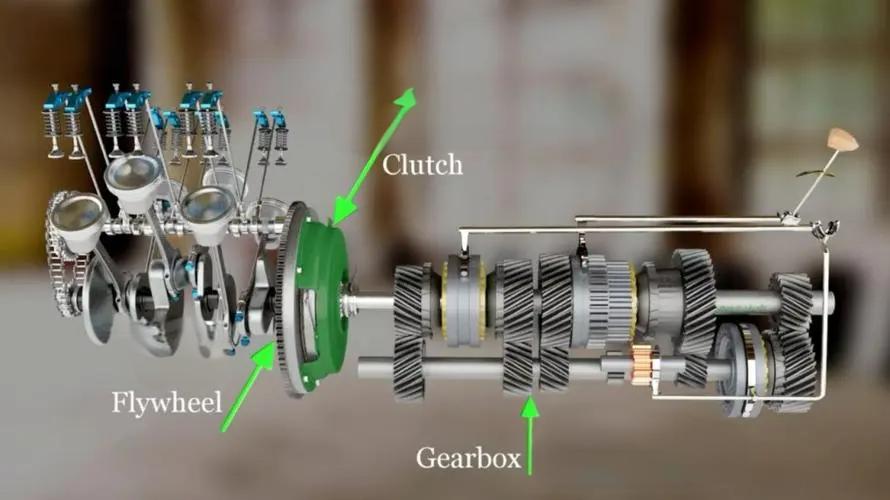
2. Components of a Clutch System
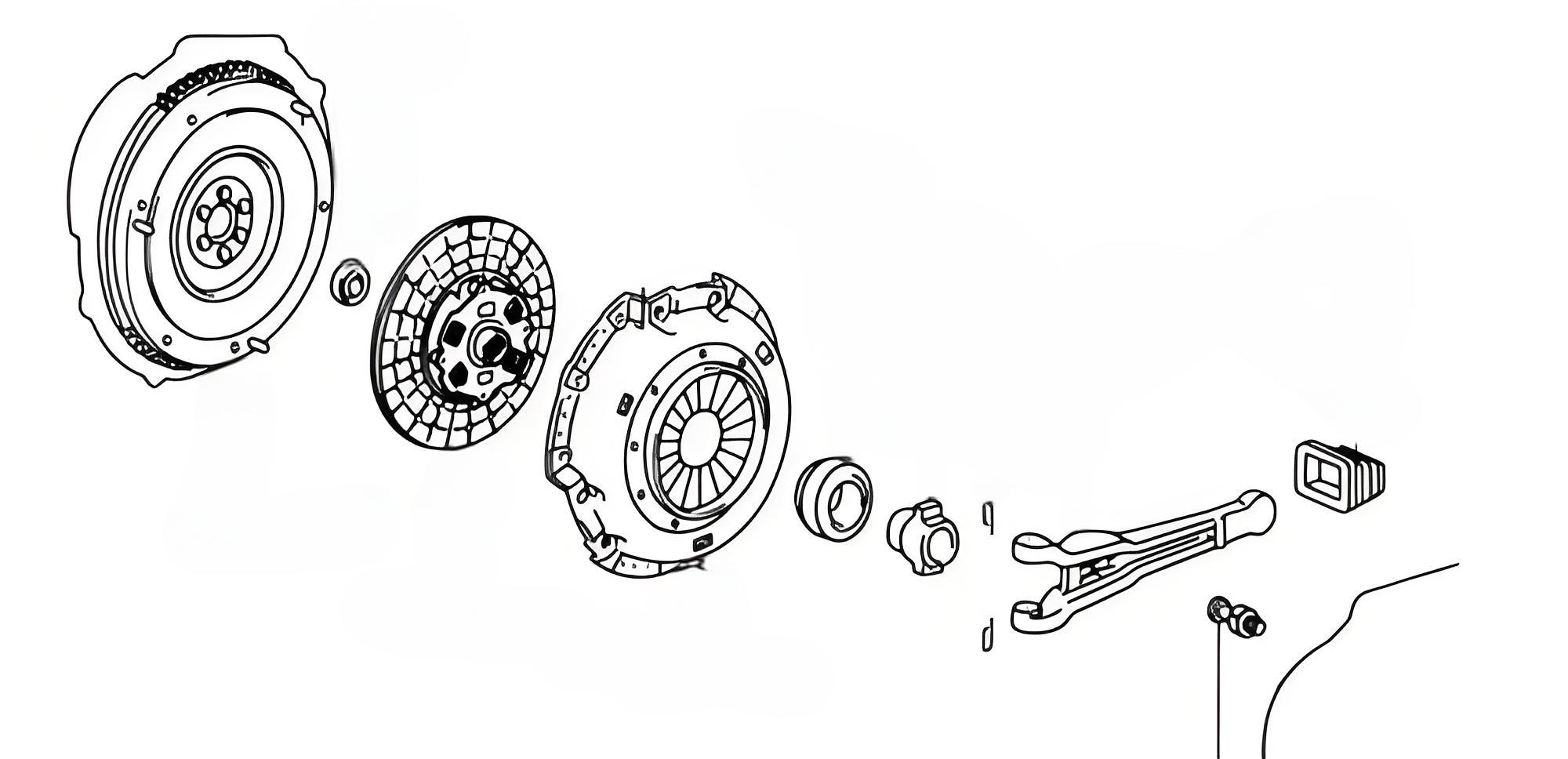
A typical clutch system comprises several key components that work together to ensure efficient power transfer and smooth operation:
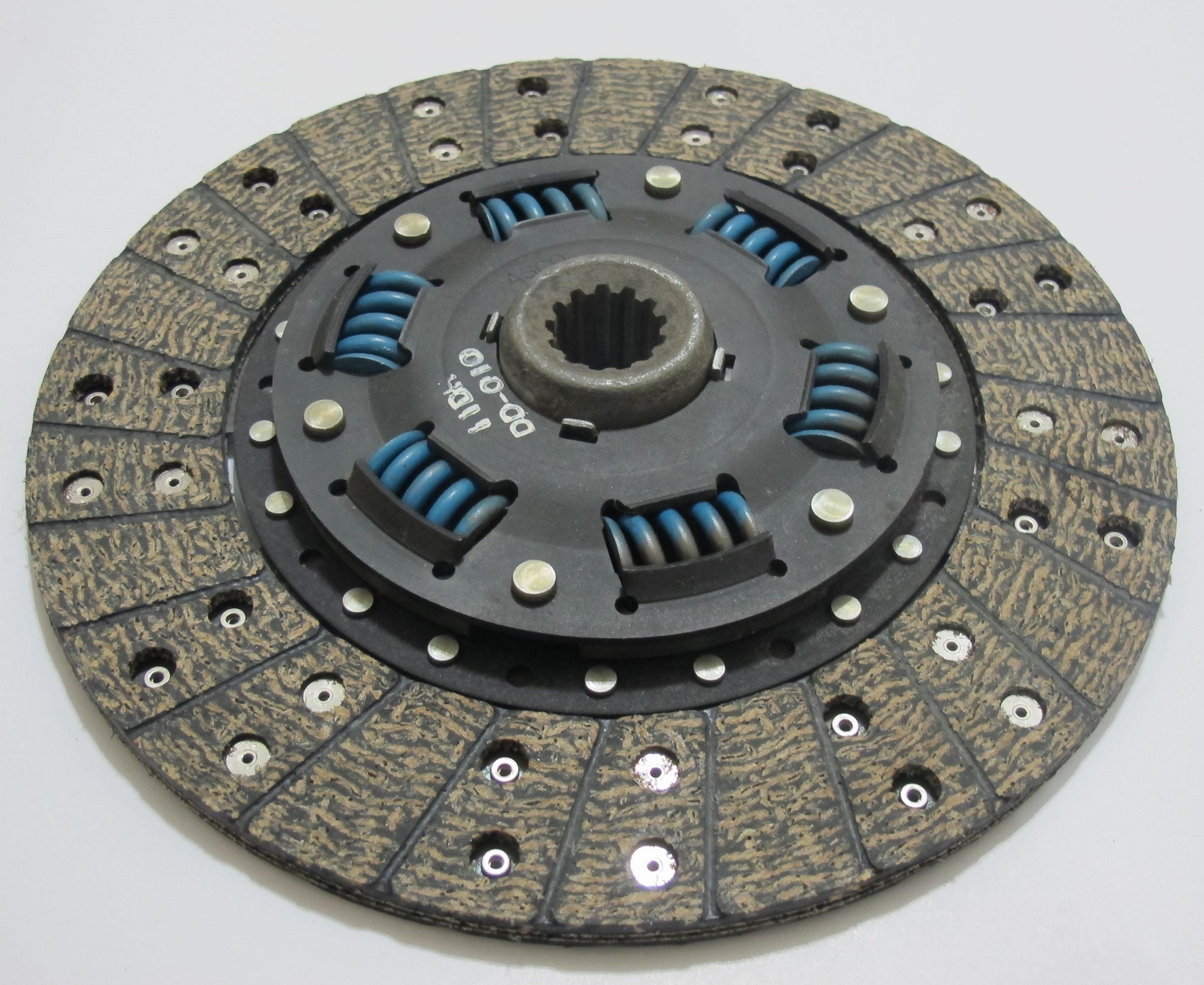
- Clutch Disc: Positioned between the flywheel and pressure plate, the clutch disc uses friction material to engage with the flywheel and transmit engine torque to the transmission.
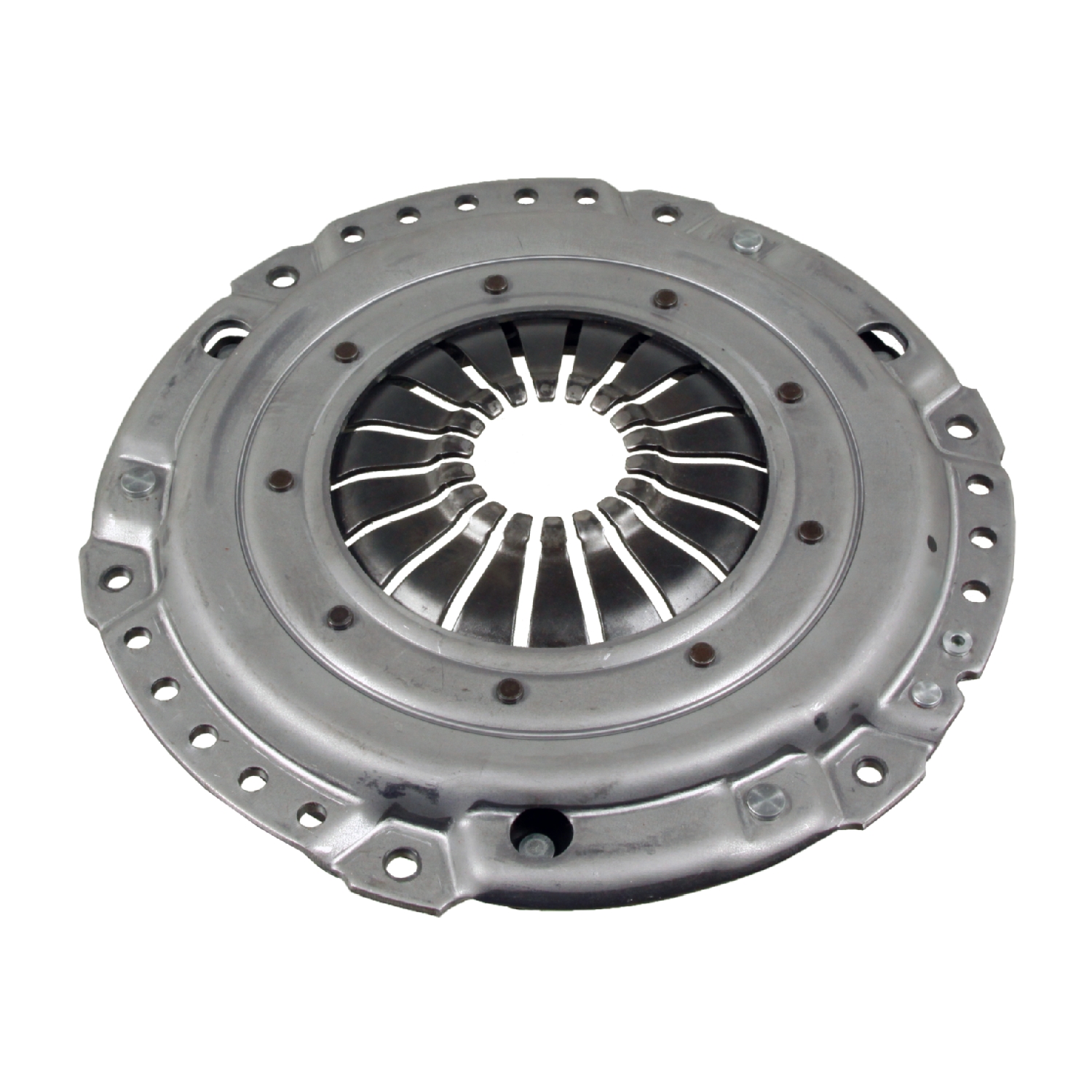
- Pressure Plate: Mounted on the flywheel, the pressure plate applies clamping force to the clutch disc, enabling engagement and disengagement through mechanical linkage or hydraulic actuation.
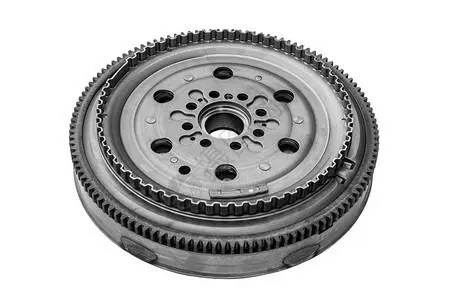
- Flywheel: Attached to the engine crankshaft, the flywheel provides rotational inertia and a smooth surface for the clutch disc to engage against during operation.
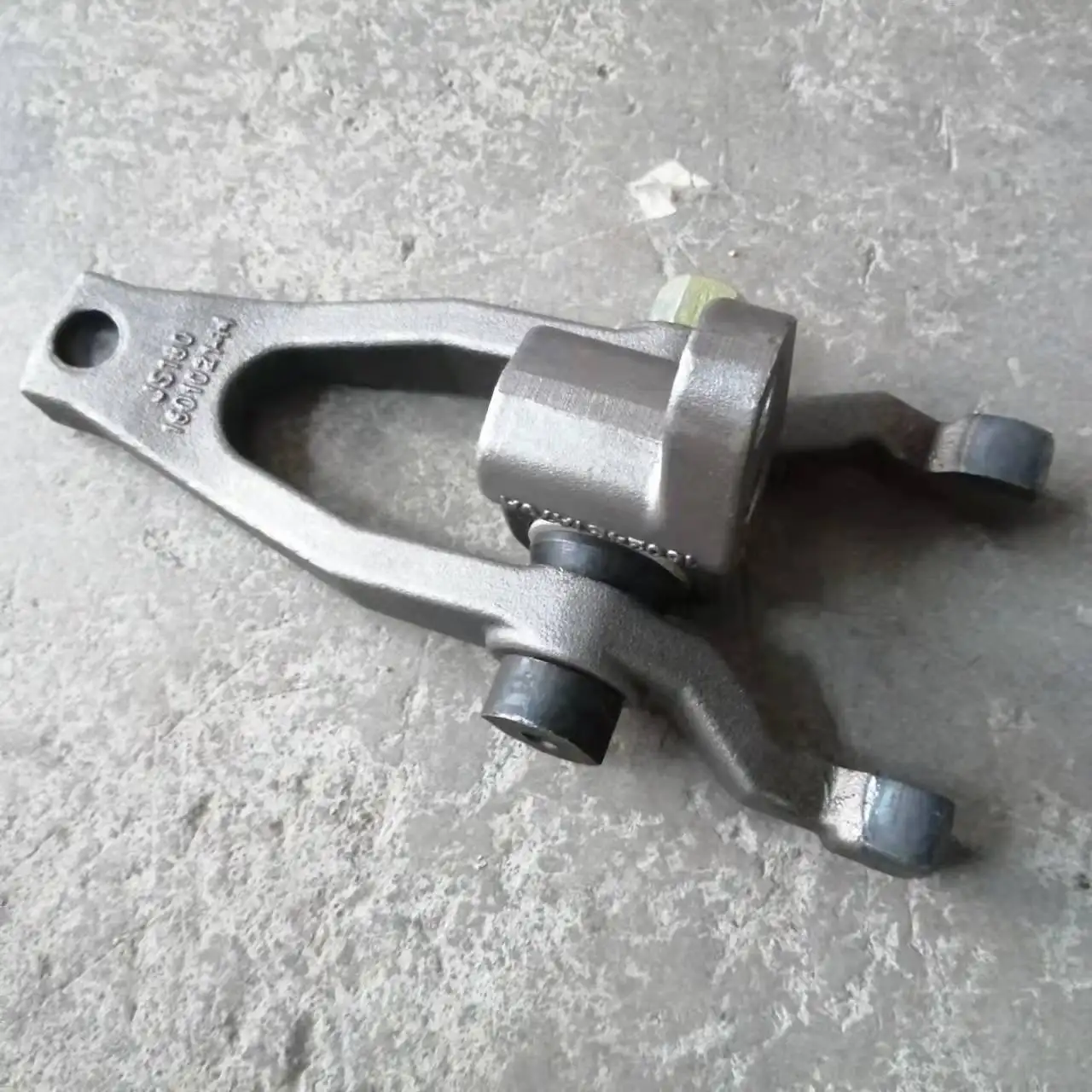
- Release Bearing (Throw-out Bearing) and Clutch Fork: The release bearing facilitates smooth engagement by applying force to the pressure plate diaphragm when the clutch pedal is depressed. The clutch fork acts as a lever to transmit motion from the clutch pedal to the release bearing.
3. Functioning of the Clutch System
The operation of a clutch system involves several stages that allow for seamless engagement and disengagement of power transmission:
- Engagement: When the clutch pedal is released, the pressure plate applies force to the clutch disc, causing it to frictionally engage with the flywheel. This allows engine torque to be transferred to the transmission input shaft.
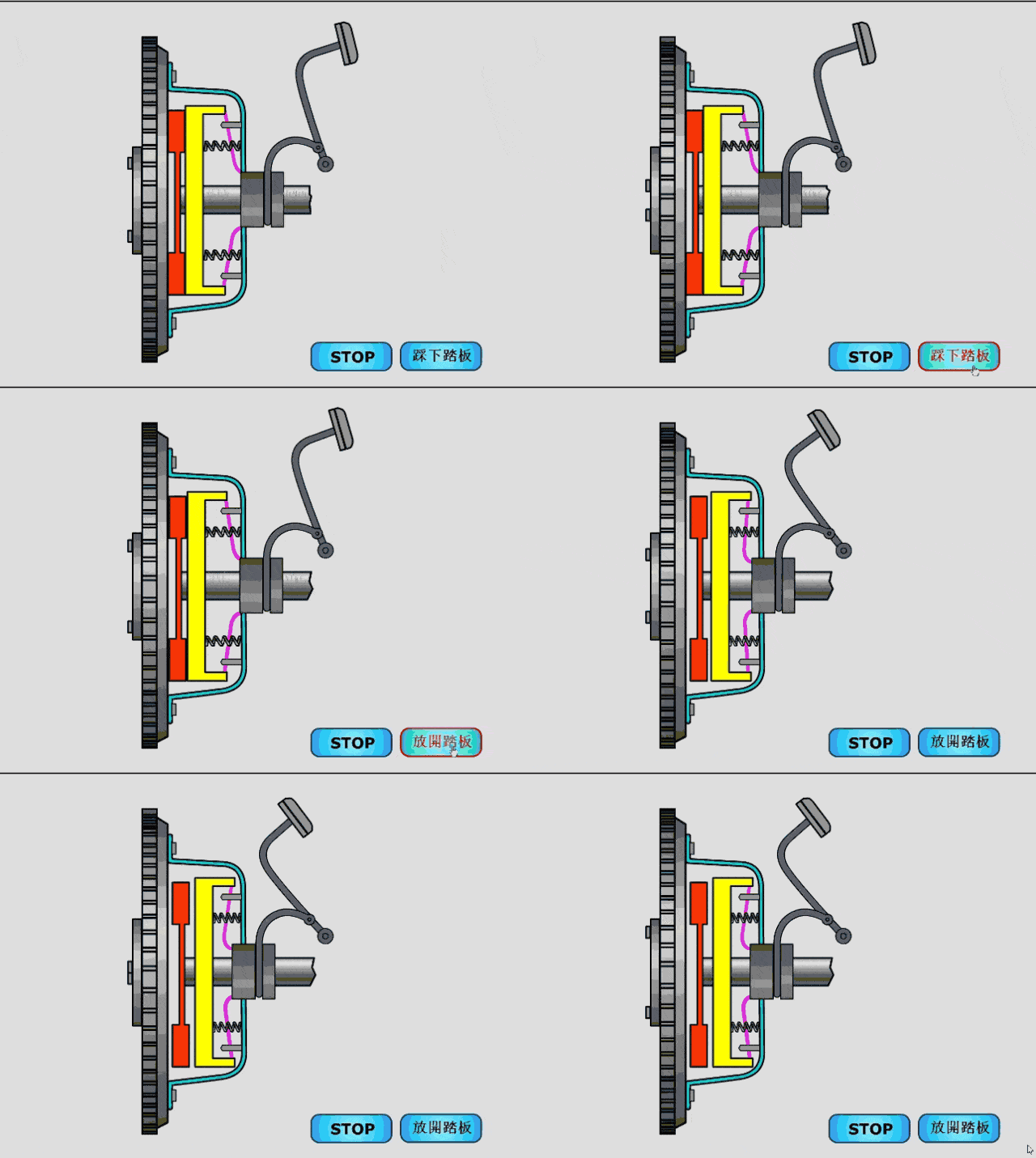
- Disengagement: Depressing the clutch pedal releases pressure on the clutch disc, disconnecting it from the flywheel. This disengages the engine from the drivetrain, enabling gear changes without causing damage to transmission components.
- Importance of Proper Adjustment: Proper clutch adjustment ensures optimal performance and longevity of clutch components. Misadjustment can lead to premature wear of clutch disc and pressure plate, affecting overall drivability.
4. Trends in Clutch System Technology
As automotive technology evolves, clutch systems continue to undergo advancements aimed at enhancing performance, efficiency, and driver comfort:
- Advancements in Materials: Introduction of lightweight materials for clutch components, such as carbon fiber and high-performance ceramics, improving durability and reducing rotational inertia.
- Integration with Transmission Systems: Integration of clutch systems with advanced transmission technologies, including automated manual transmissions (AMTs) and dual-clutch transmissions (DCTs), enabling faster gear shifts and improved fuel efficiency.
- Electric and Hybrid Vehicles: Adaptation of clutch systems in electric and hybrid vehicles, focusing on efficient power management and regenerative braking capabilities to enhance overall vehicle efficiency.
5. Future Outlook and Innovations
Looking ahead, future innovations in clutch system technology are poised to redefine automotive drivetrain dynamics and performance:
- Smart Clutches: Development of smart clutch systems equipped with sensors and actuators for real-time monitoring of clutch wear, temperature, and engagement patterns, optimizing performance and reliability.
- Enhanced Efficiency: Continued efforts to improve clutch efficiency through advanced lubrication systems, friction reduction techniques, and predictive maintenance algorithms, extending component lifespan and reducing operating costs.
- Autonomous Driving: Integration of clutch systems with autonomous vehicle platforms, enabling seamless transition between manual and automated driving modes while ensuring safety and reliability.
Conclusion:
The clutch system remains a cornerstone of manual transmission vehicles, providing essential control over power delivery and gear selection. Understanding its components, operational principles, and future trends is crucial for automotive enthusiasts and professionals alike, as the industry continues to innovate towards enhanced performance, efficiency, and sustainability in vehicle drivetrain systems.


